
Who was Alfred Wallis?
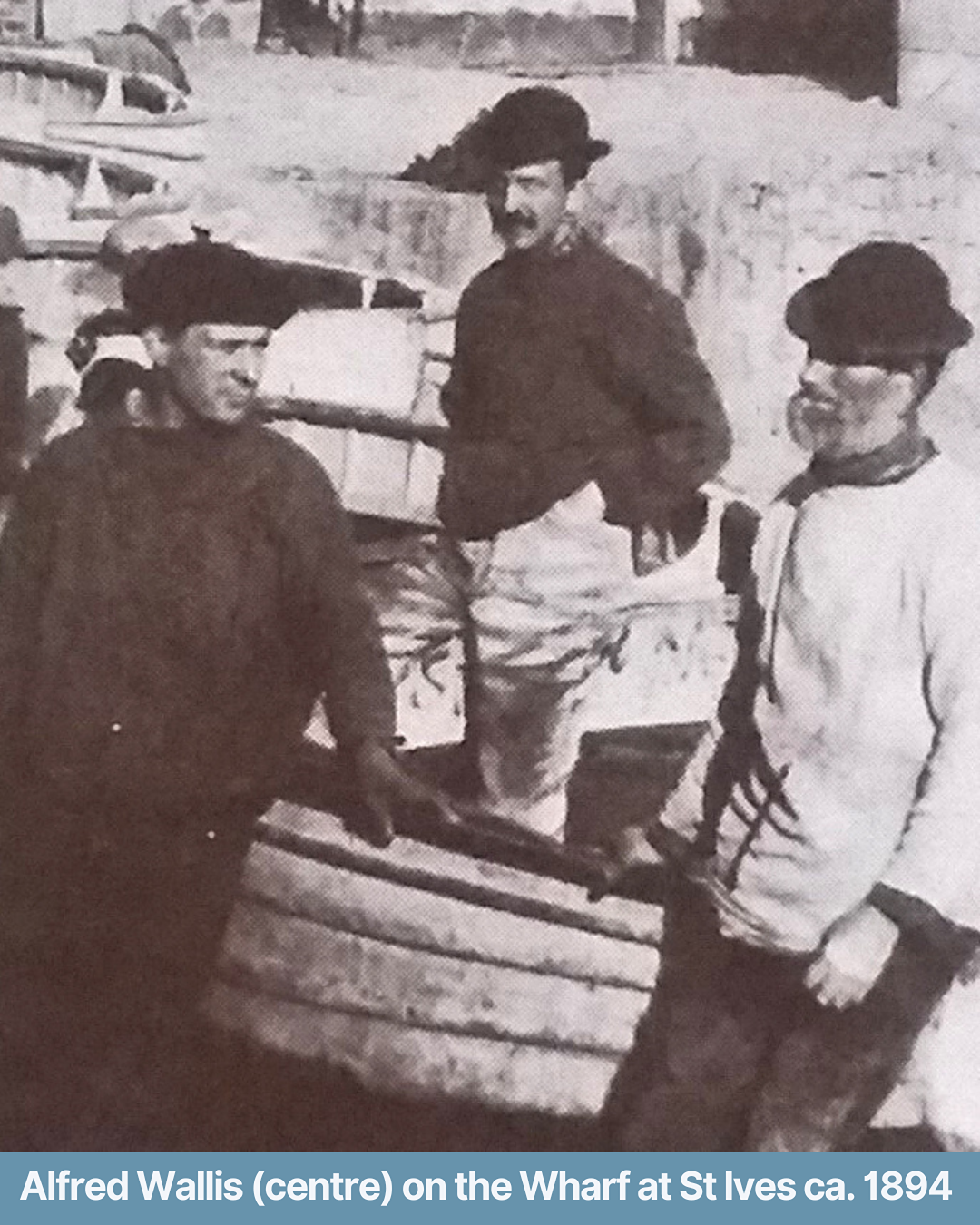
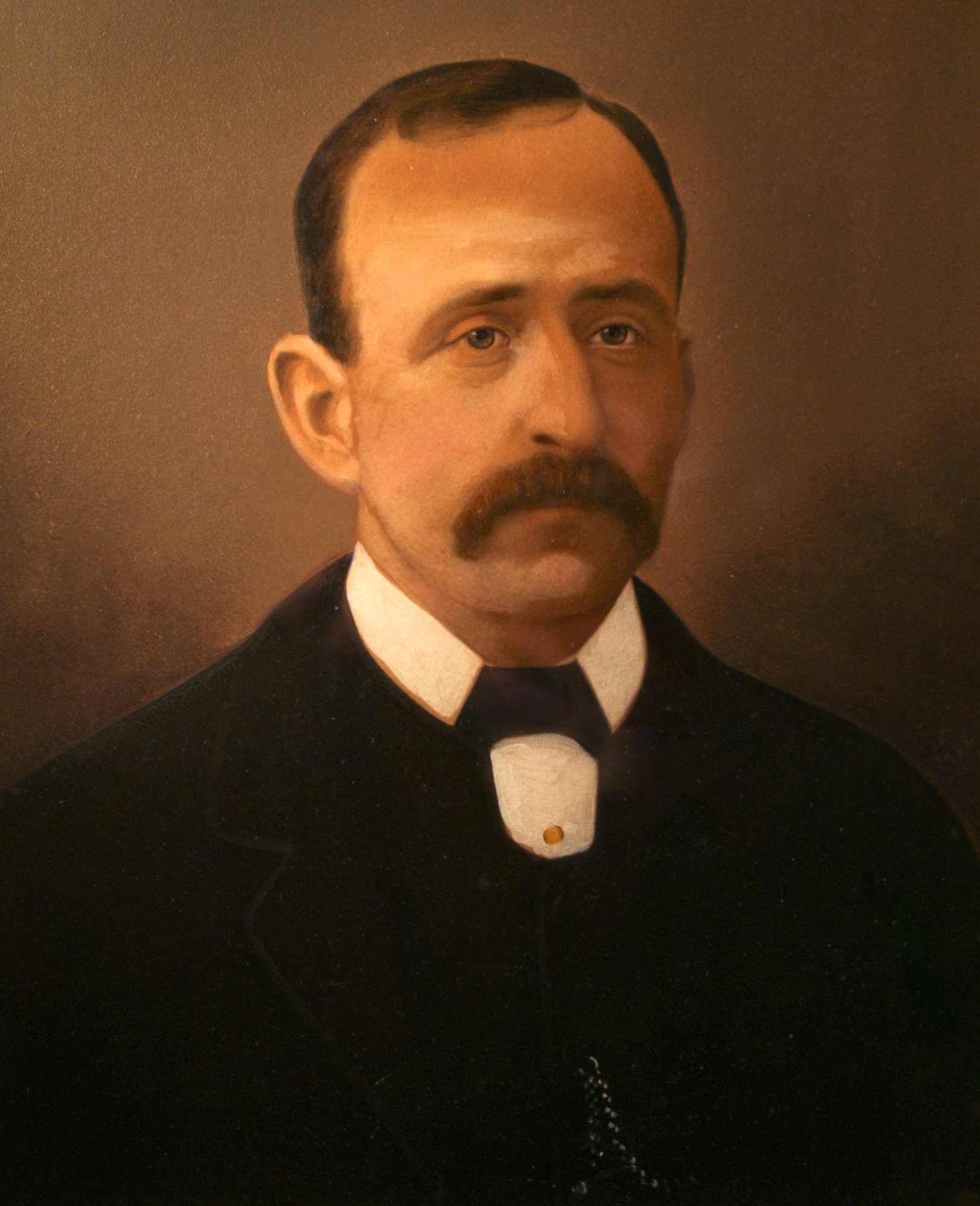
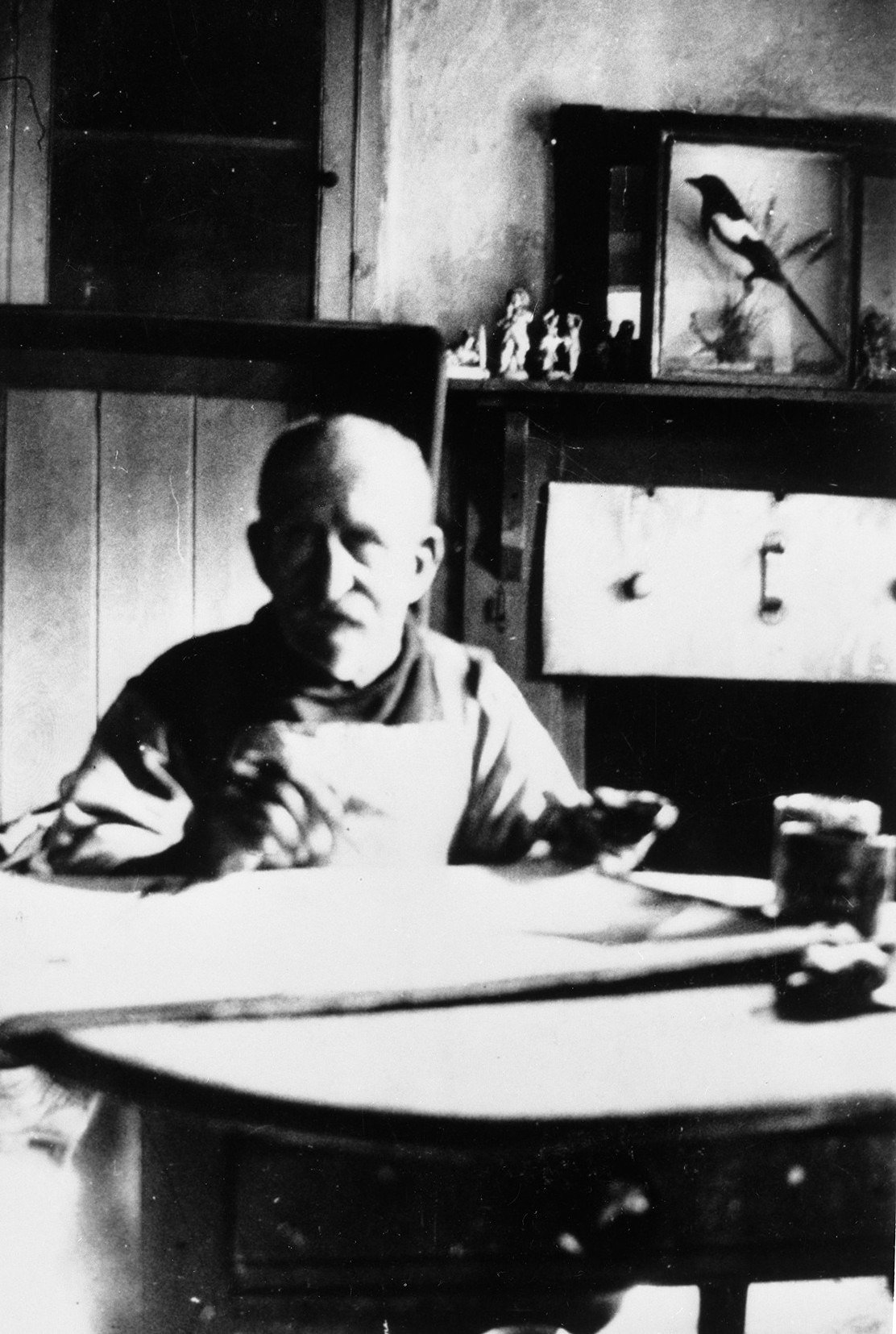
Alfred Wallis (1855–1942) was a self-taught British artist from St Ives, Cornwall, whose naïve maritime paintings influenced modern British art. A former fisherman, mariner and marine stores dealer, he began painting at the age of 70 in 1925, using simple materials such as cardboard and boat paint to depict ships, harbours, and rural scenes from memory. His direct and expressive style inspired modernist artists including Ben Nicholson and Christopher Wood. He was greatly admired in the 1930s but never received more than a few shillings for his paintings and died a pauper in Madron Workhouse.
Timeline & Key Facts
1855 – Born, Devonport, Devon
1870 – Moved to Penzance, Cornwall
1882 - Moved to St Ives
1925 – Began painting at the age of 70
1928 – Sold his first paintings to Ben Nicholson and Christopher Wood
1942 – Died in Madron Workhouse
Profession - Fisherman, scrap merchant, and artist
Artist materials - Cardboard, boat paint, household paint
Known for - Memory-based maritime paintings
Style - Naïve, direct, expressive
Associated artists - Ben Nicholson, Christopher Wood
Collections - Tate, Kettle’s Yard, regional UK galleries
Early Life
Alfred Wallis was born in Devonport in 1855. This was a very busy town in Devon, based around the shipyards and barracks of the Royal Navy. Wallis grew up in Devonport's slums in extreme poverty, part of a large family who slowly succumbed to disease and death until only he, his father, and one brother survived. He worked for a year at sea as a cabin boy aged 10 and then, as a teenager, returned to his father's home town of Penzance in Cornwall.
Maritime Career and Artistic Development
At Penzance, Wallis gained first-hand experience of maritime life working as a fisherman in his late teens on the Mount's Bay luggers. At the age of 20 he set off on a trans-Atlantic ship in the dried cod trade, which saw him sail as far as Labrador. Although his maritime career only lasted a few years, it gave him an intimate knowledge of boats, harbours, and seafaring. This informed his later paintings, which often depict fishing boats, sailing ships, and harbours with directness and simplicity.
Why Alfred Wallis Began Painting at Age 70
Wallis spent most of his adult life running a marine stores business in St Ives. He began painting at the age of 70 in August 1925. As he had just started receiving his Old Age Pension and no longer had to work to make a living, he told a friend he wanted a hobby to pass the time. He decided to take up painting, using scraps of cardboard and boat paints, creating a distinctive texture and style.
Where his paintings can be seen today
Wallis’s paintings are held in major UK collections including Tate, Kettle’s Yard, Dorchester Museum, and the Pier Arts Centre - Full list of UK collections holding Alfred Wallis paintings.
Further Reading
For more insights into his life and work, the new Alfred Wallis biography is available directly from the official shop. You can also watch videos about Alfred Wallis's life and art here.
Frequently Asked Questions
Q: Was Wallis a fisherman for many years?
A: No, recent research indicates Wallis only fished as a young adult around 1875–77 and possibly for a season while running his marine stores business in St Ives.
Q: Was he illiterate?
A: No, Wallis could read and write. He kept official registers for his business, read the Bible daily in later life, and wrote many letters to his buyers.
Q: Did Wallis make a living from selling his paintings?
A: No, although admired by leading artists and collectors, he was paid very little for his paintings and died a pauper in Madron Workhouse.
Q: What is his Legacy & Influence?
A: Wallis helped shape the St Ives Modernist movement. He continues to influence British artists today, as witnessed by the large number of Wallis's solo and group exhibitions.