
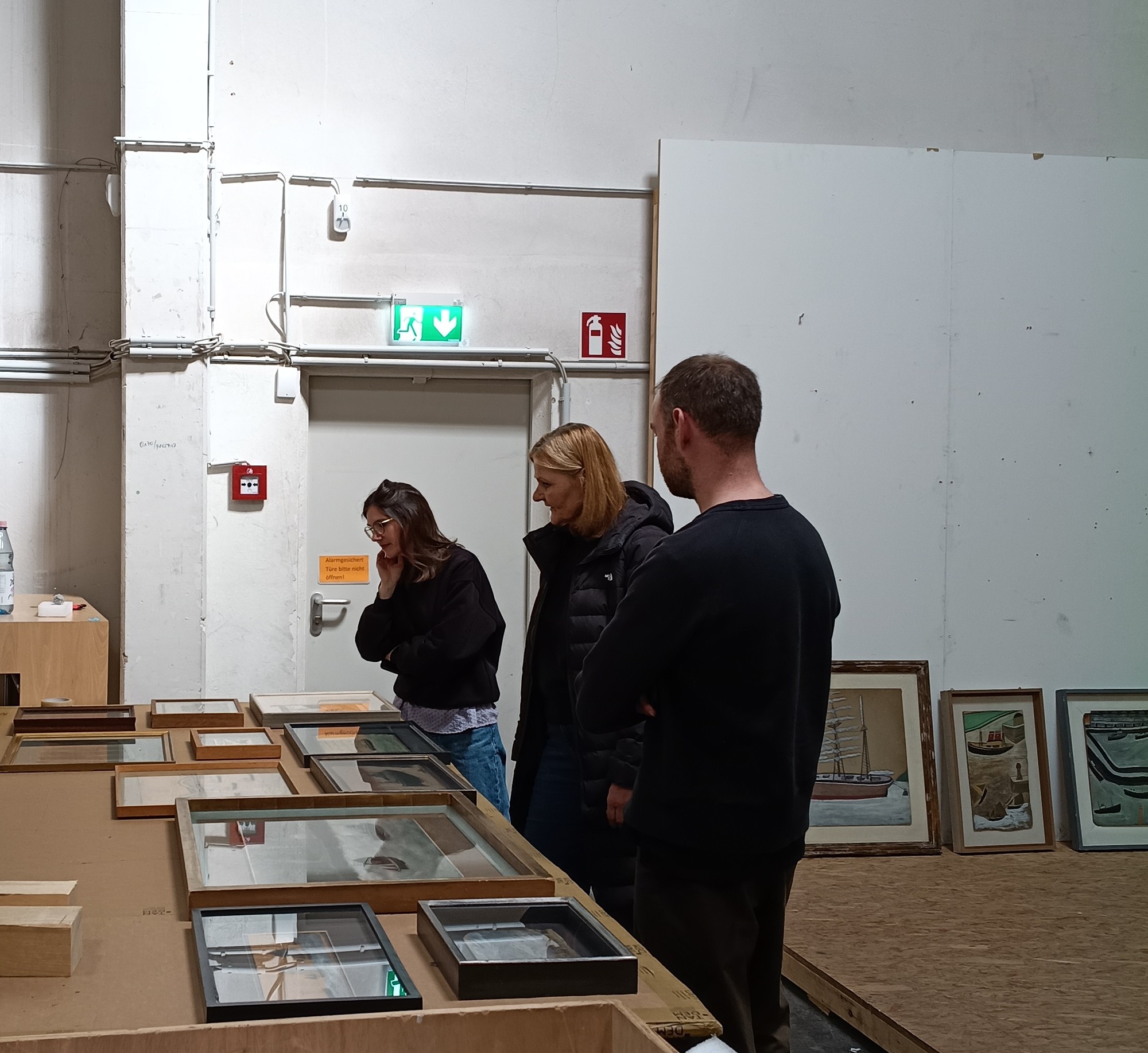
Huge thanks to Susanne Zander, Lisa Arndt and Mathis Henne of the Zander Collection in Cologne for granting me access to their exceptional collection of paintings by Alfred Wallis. These comprise the largest and most important public collection of Wallis’s work outside the UK, and equal the...
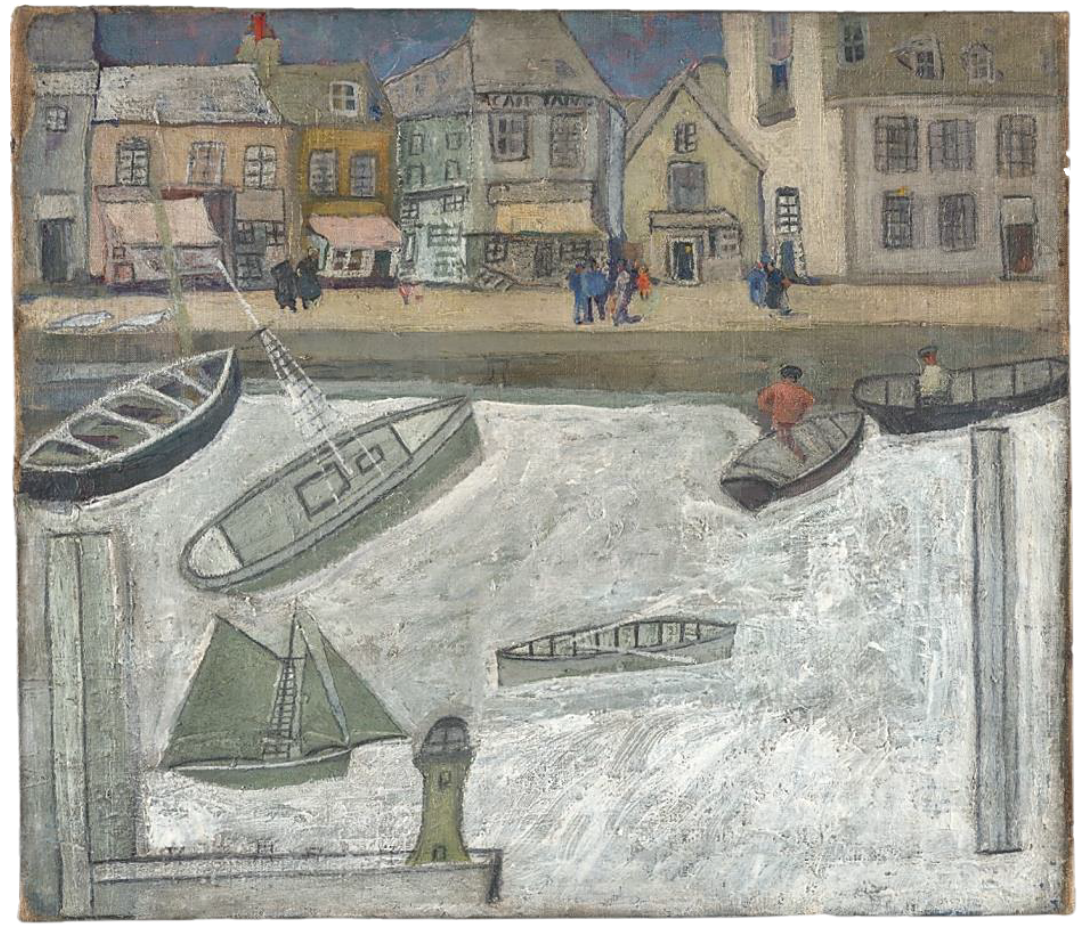
In March 1930, Alfred Wallis received a visit from Christopher Wood, who gave him a painting he had done of Quai Peneroff at Concarneau in Brittany.Wallis later overpainted the lower section with his own distinctive vessels, harbour walls, lighthouse, and sea. On the quay he added two large...
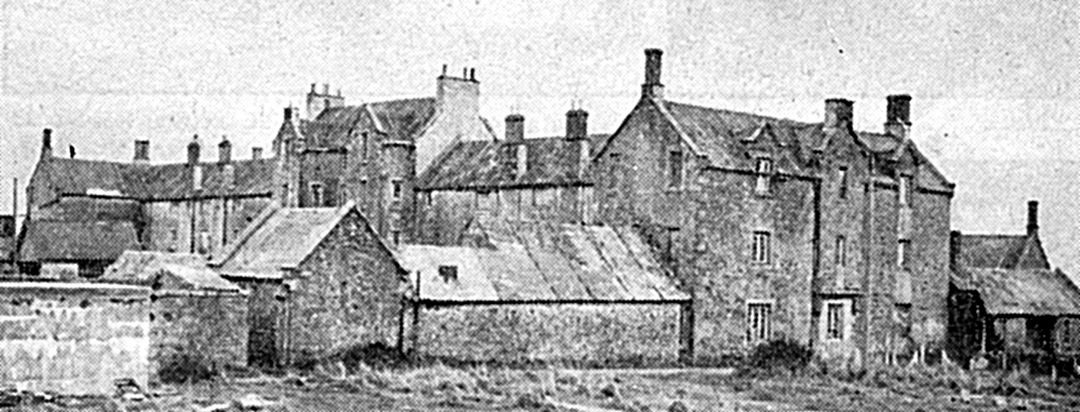
In June 1941 Alfred Wallis was taken to Madron Workhouse (then known as Madron Public Assistance Institution). He was 86, ill and destitute.After writer George Manning-Saunders visited Wallis there, he wrote:“Wallis denounced me until I could persuade him that my visit had nothing to do with...
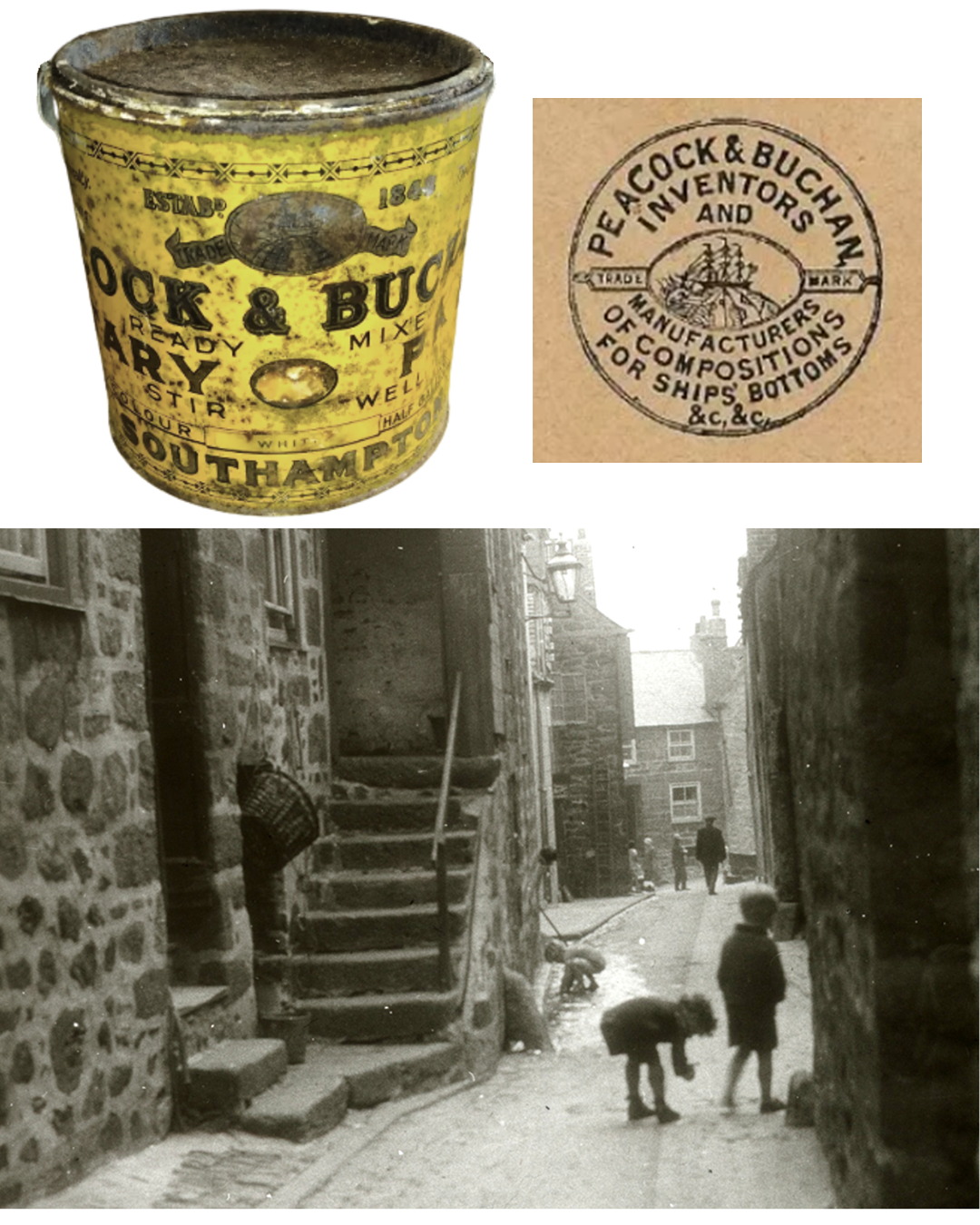
I've posted many images of paintings by Alfred Wallis, so I thought I'd show the brand of paint he used throughout his artist years.It is thought that Wallis painted with any old half-empty pot of paint he came across, but he was actually very particular. When asked by a friend what type of paint he...
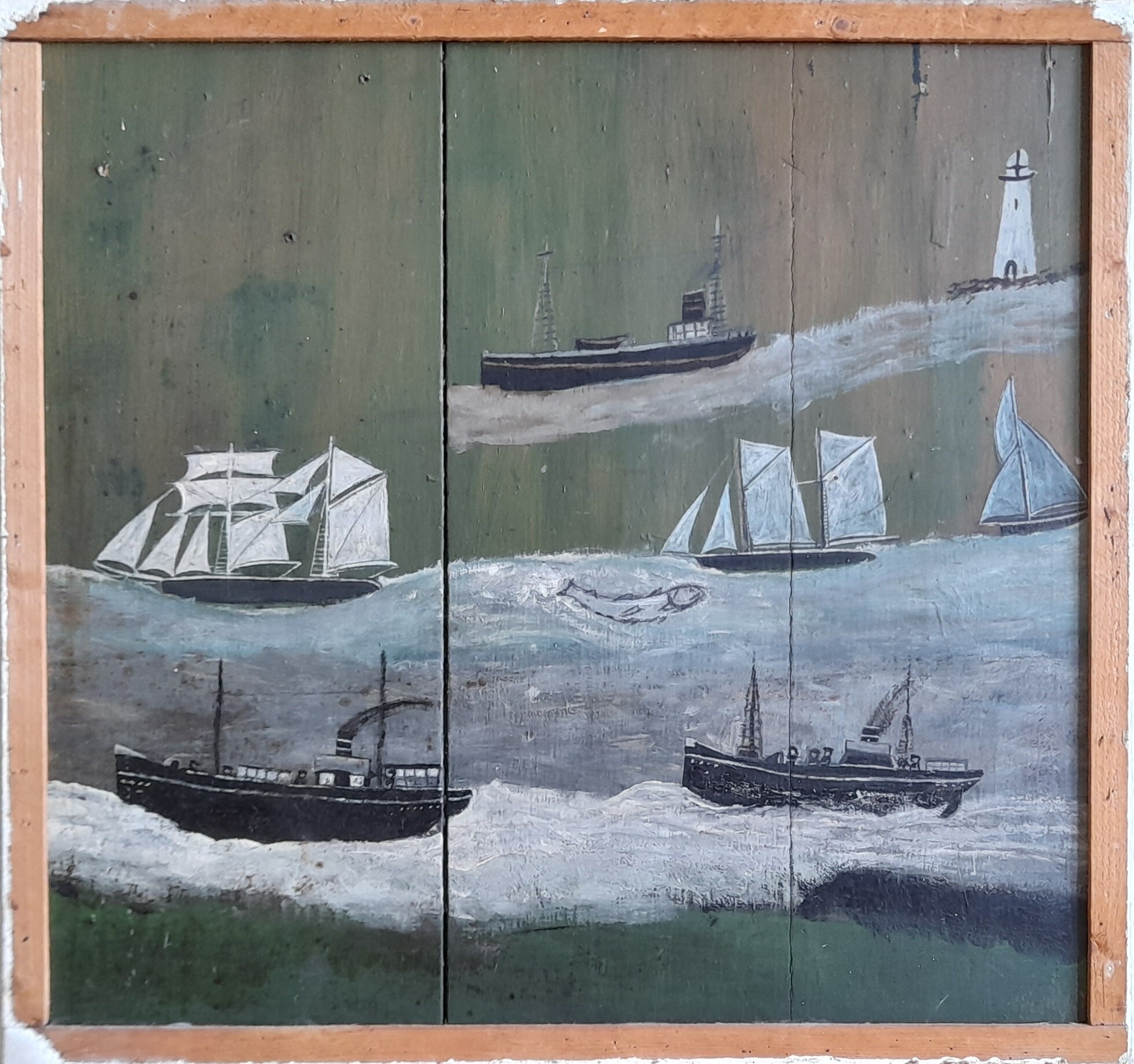
And finally, here is a photo I took when I was privileged to be shown Alfred Wallis's draught screen in a private collection. You can see the screen in situ in the image below, which shows Wallis standing in his doorway in 1940.Visitors to Wallis's cottage described seeing different scenes on the...
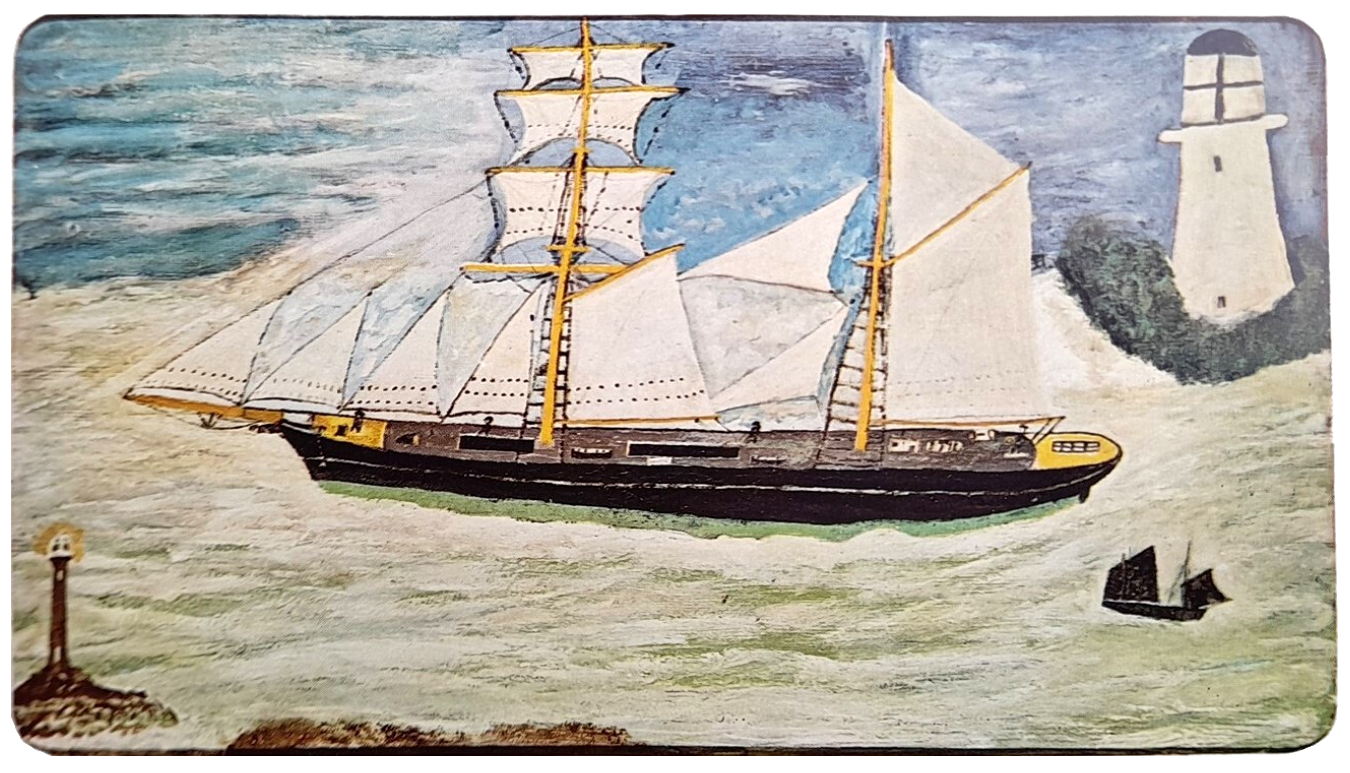
To celebrate St Piran’s Day, here is a wonderful scene of a schooner and Cornish lugger sailing between two lighthouses, which Alfred Wallis painted on the surface of his kitchen table. Not long after Wallis's death, the table was sold for £100 to a London art dealer who sawed its legs off to get...
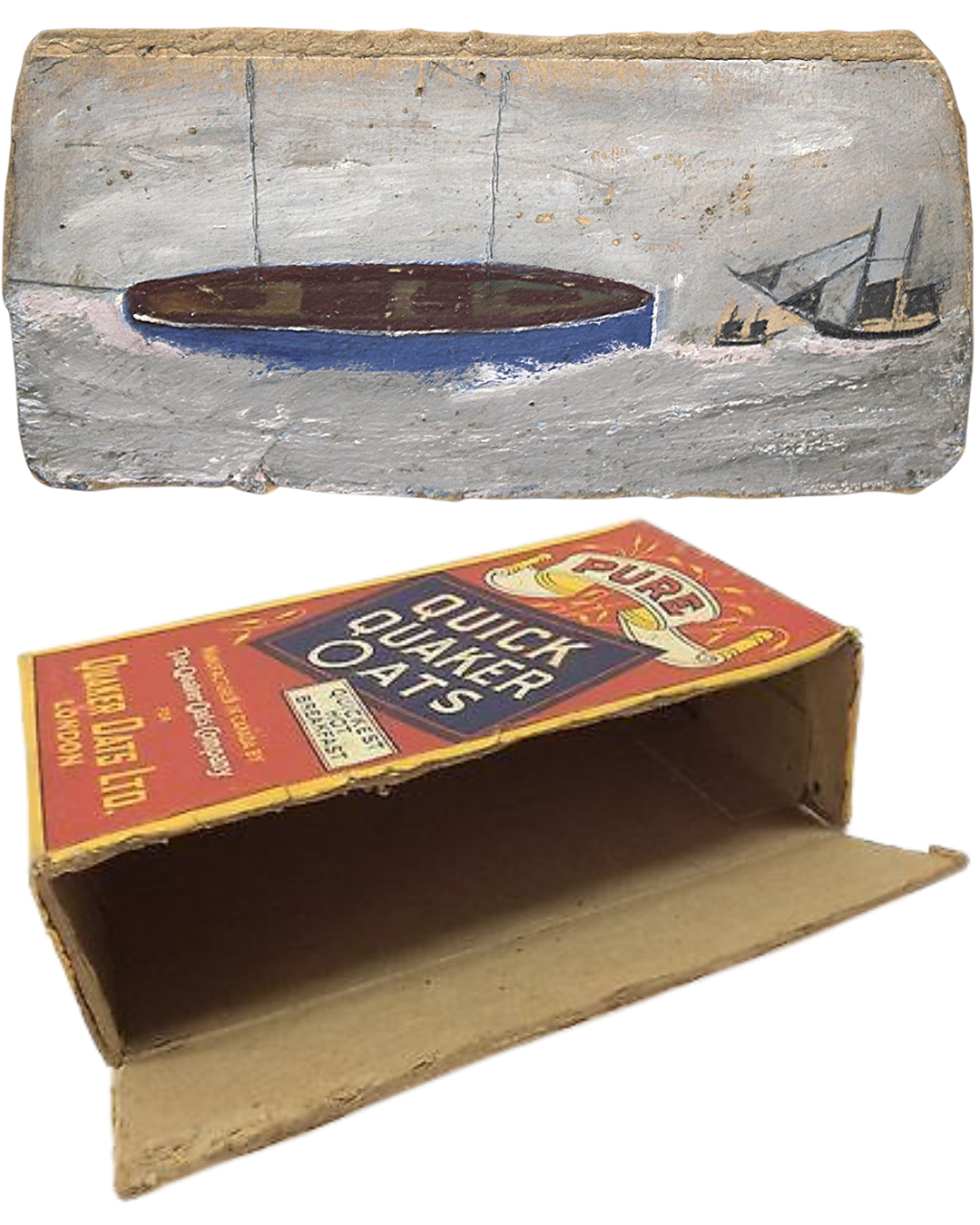
NO. 8 CEREAL BOXGallerist Lucy Wertheim visited Alfred Wallis in 1930 to buy some of his paintings for her new London gallery. She wrote that she found him “painting away with what appeared to be boat paint on scraps of cardboard”, and that he favoured using Pure Quaker Oats boxes.Panels from...
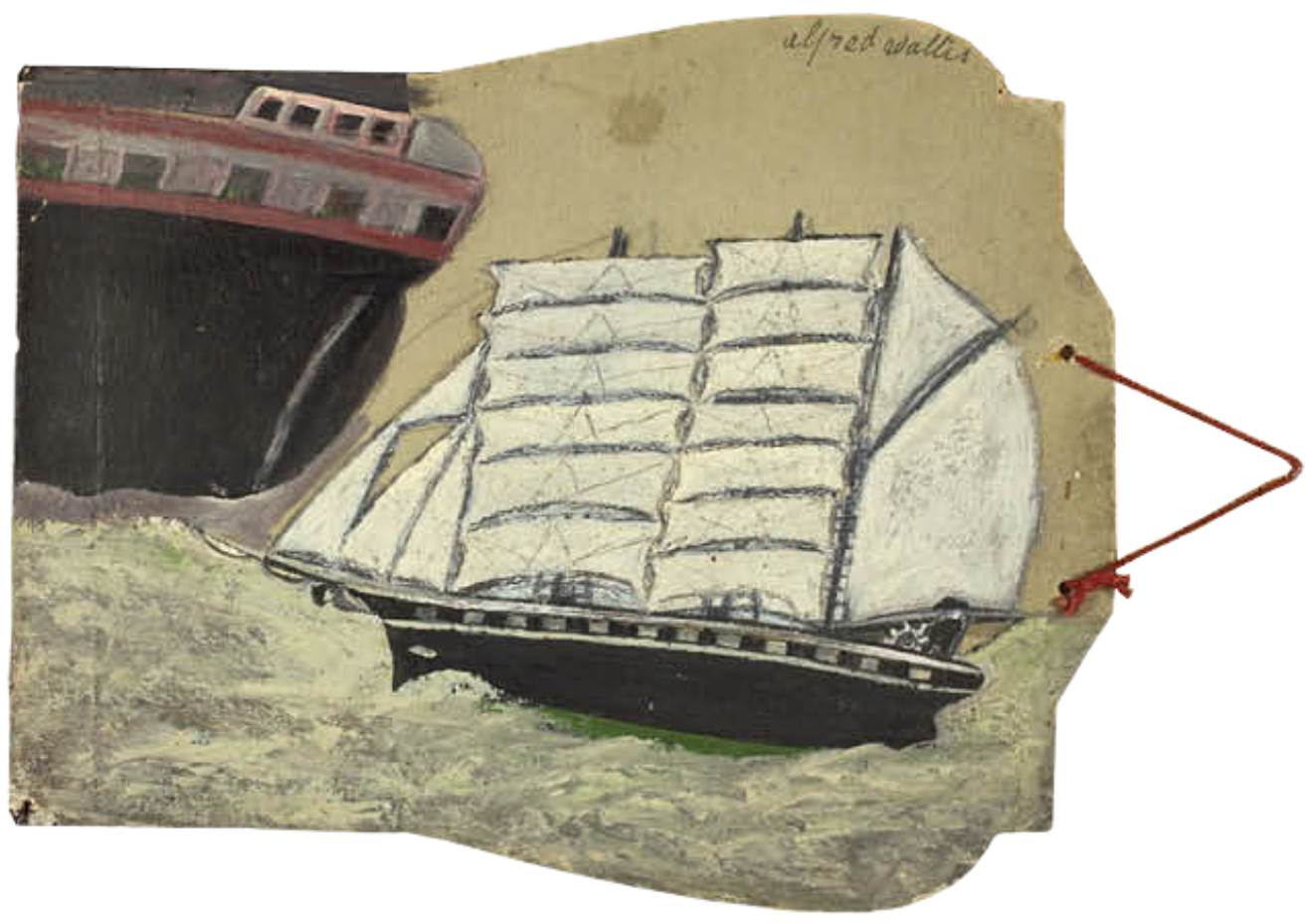
Alfred Wallis made this beautiful painting of a three-masted barque on the back of a calendar.In light of yesterday's post, it is easy to see why Wallis’s words - "i Thought it not nessery To paint it all around so i never Don it" - were taken to refer to his practice of leaving areas of cardboard...
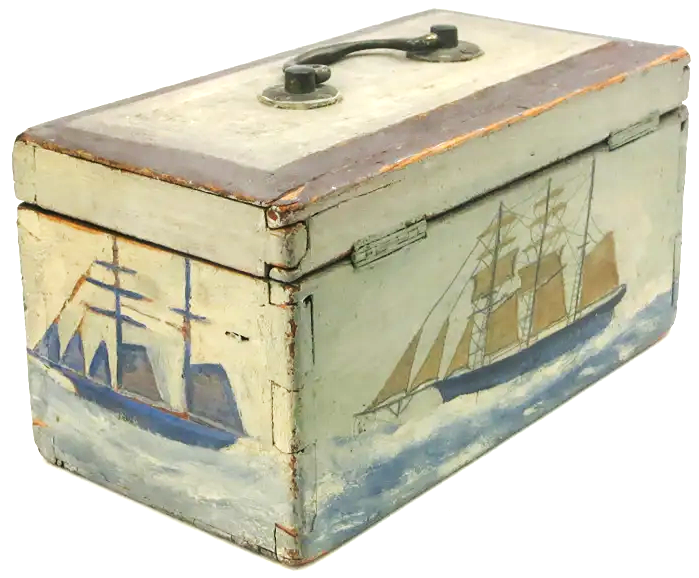
Alfred Wallis painted several ships on a wooden box sent to him by Ben Nicholson. He left one side blank, writing to Nicholson, “i Thought it not nessery To paint it all around so i never Don it”.As this letter is held in Kettle’s Yard Archive and starts “Dear Sir”, it is thought to have...
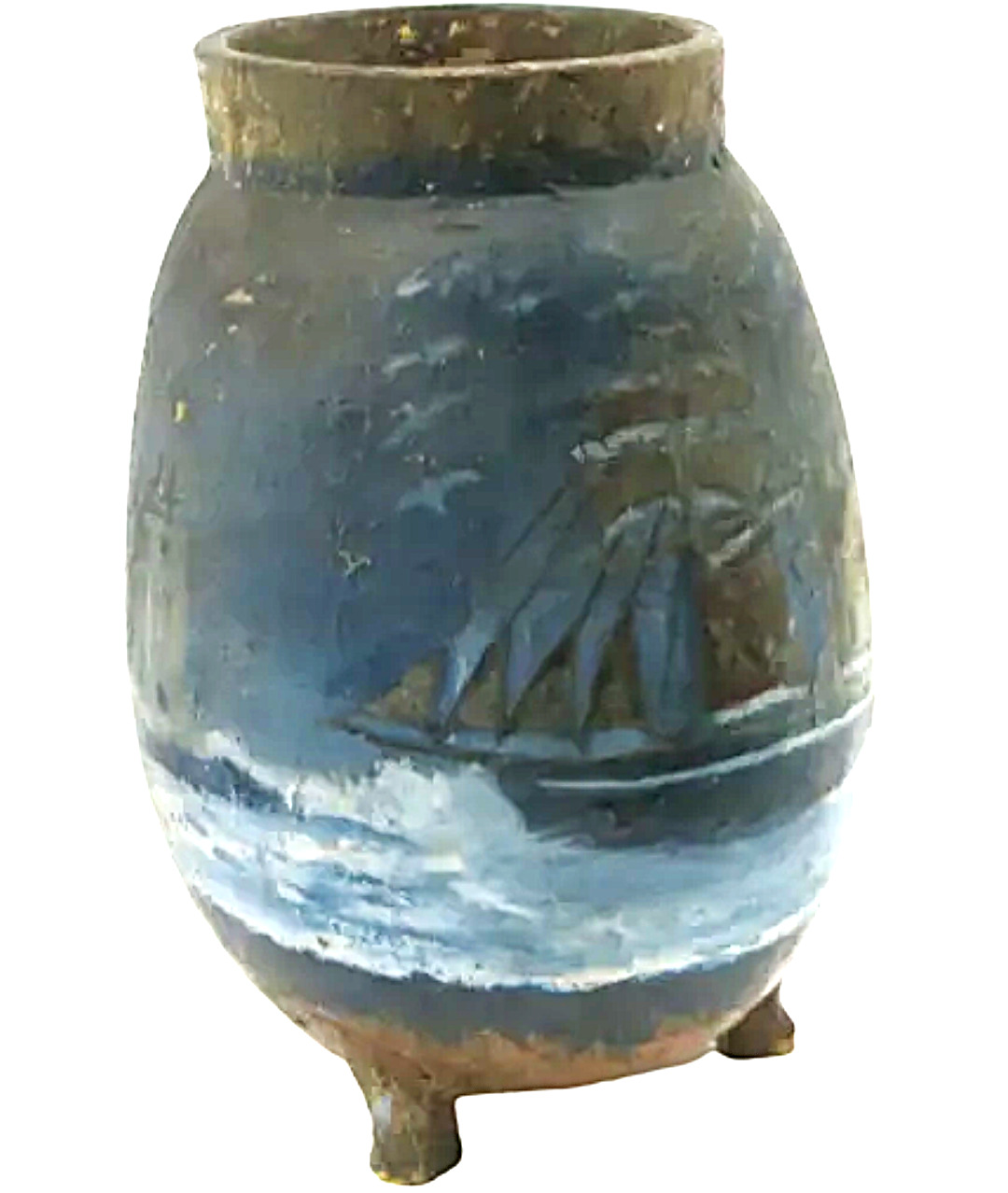
Alfred Wallis painted a two-masted topsail schooner sailing towards a lighthouse on this three-footed jar. Such jars were practical, everyday vessels, with short, sturdy legs that allowed them to stand securely in hearth ashes to heat food or boil water. Their rounded bodies and wide mouths made...
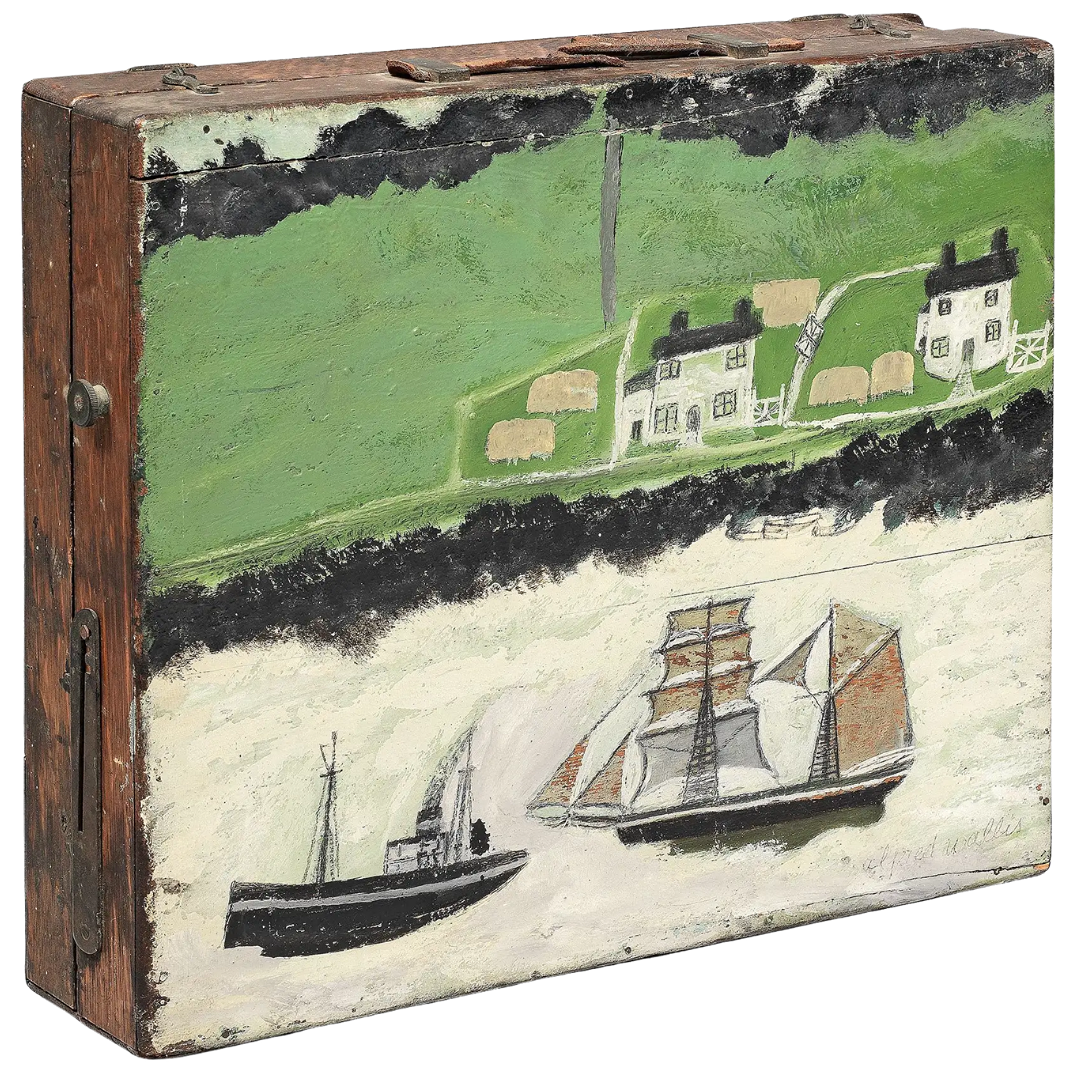
Alfred Wallis painted this lovely scene, of a two-masted topsail schooner passing land, on an artist's paint box. On the reverse (second image) he painted gated orchards with trees in blossom.Although not obvious, both scenes may be related. In Wallis's day, the River Fal was a major commercial...
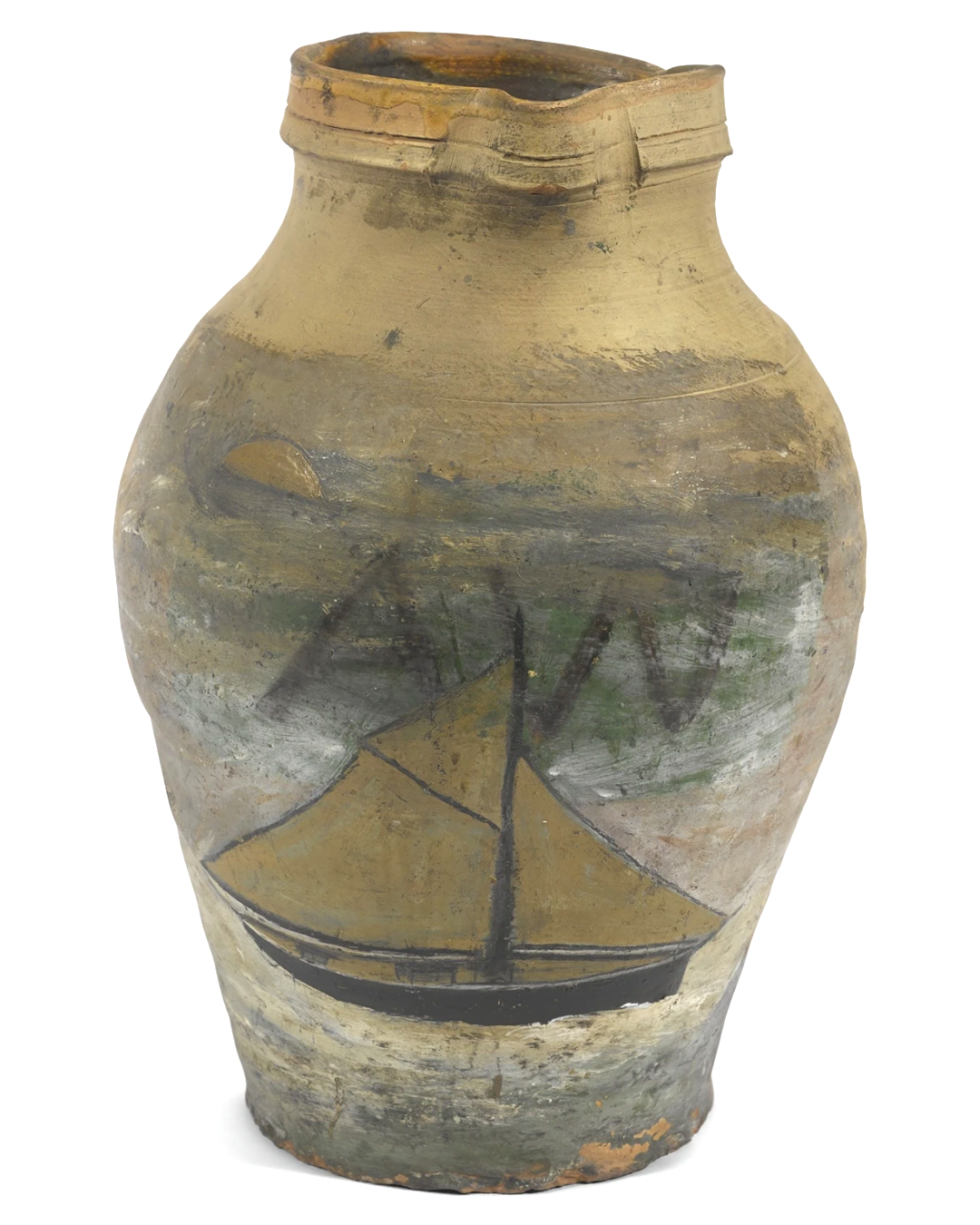
According to one of Alfred Wallis's neighbours, the grocer delivered milk to Wallis each day, taking it round in a pitcher and measuring it into a jug which Wallis kept covered with a handkerchief.Whether or not this is the jug in question, Wallis certainly made sure people knew it belonged to him...
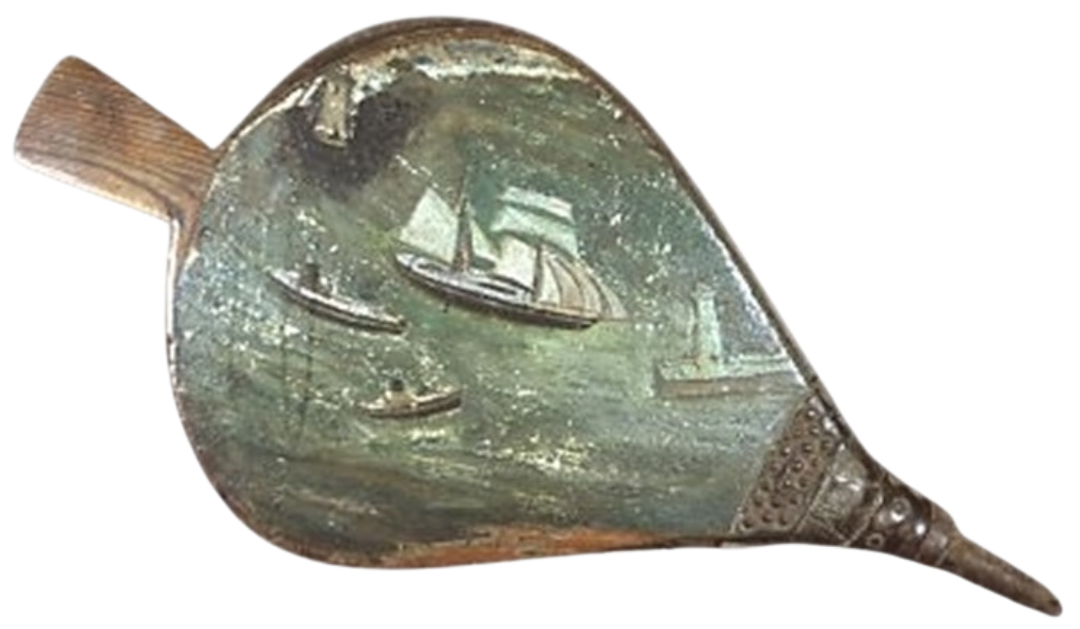
Descriptions of Alfred Wallis's cottage by his step-grandchildren tell of an open fireplace with a brass fender in front, and a brass poker and shovel at either end. A “large brass blower” and wooden bellows hung next to a copper bed pan that was filled with hot stones to heat the bed each...
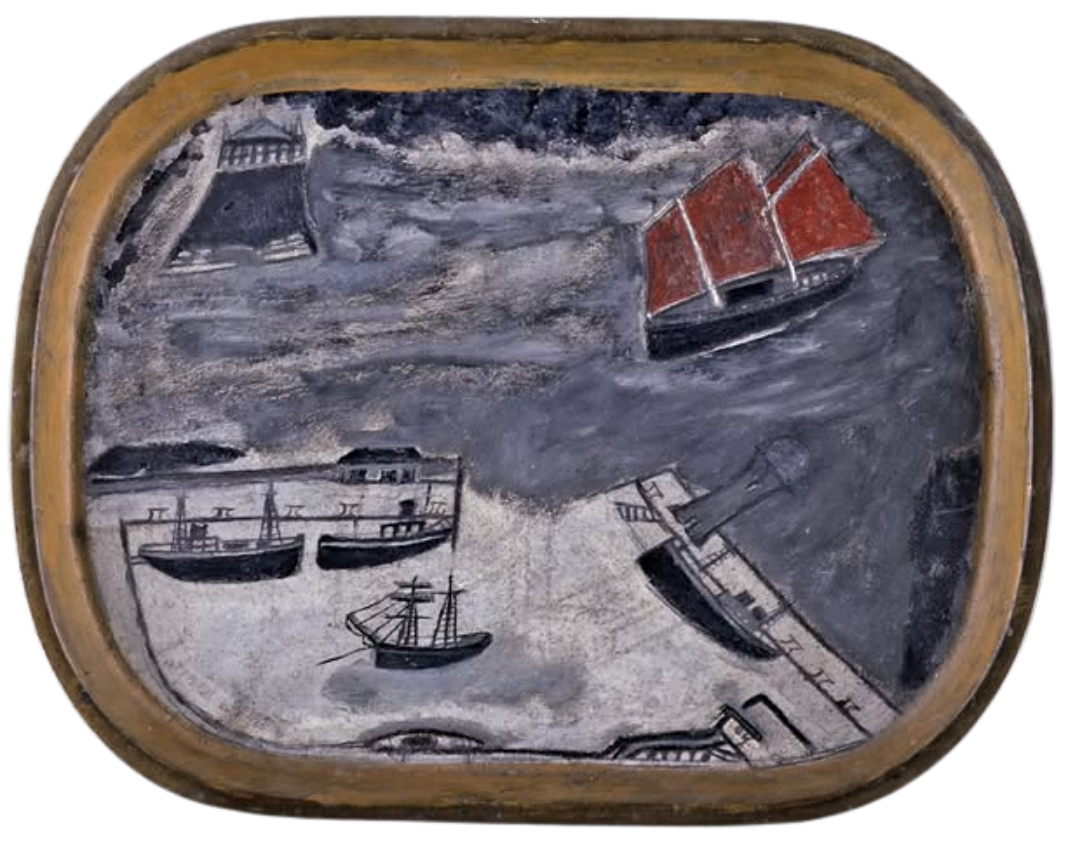
"Everything in Mr Wallis’s is nothing but boats. He’s painting them on everything". So said a neighbour of Alfred Wallis, and it was true.Starting with this painting on an old tin tray, I thought I'd do a series of posts showing paintings Wallis made on various household objects.This lovely...
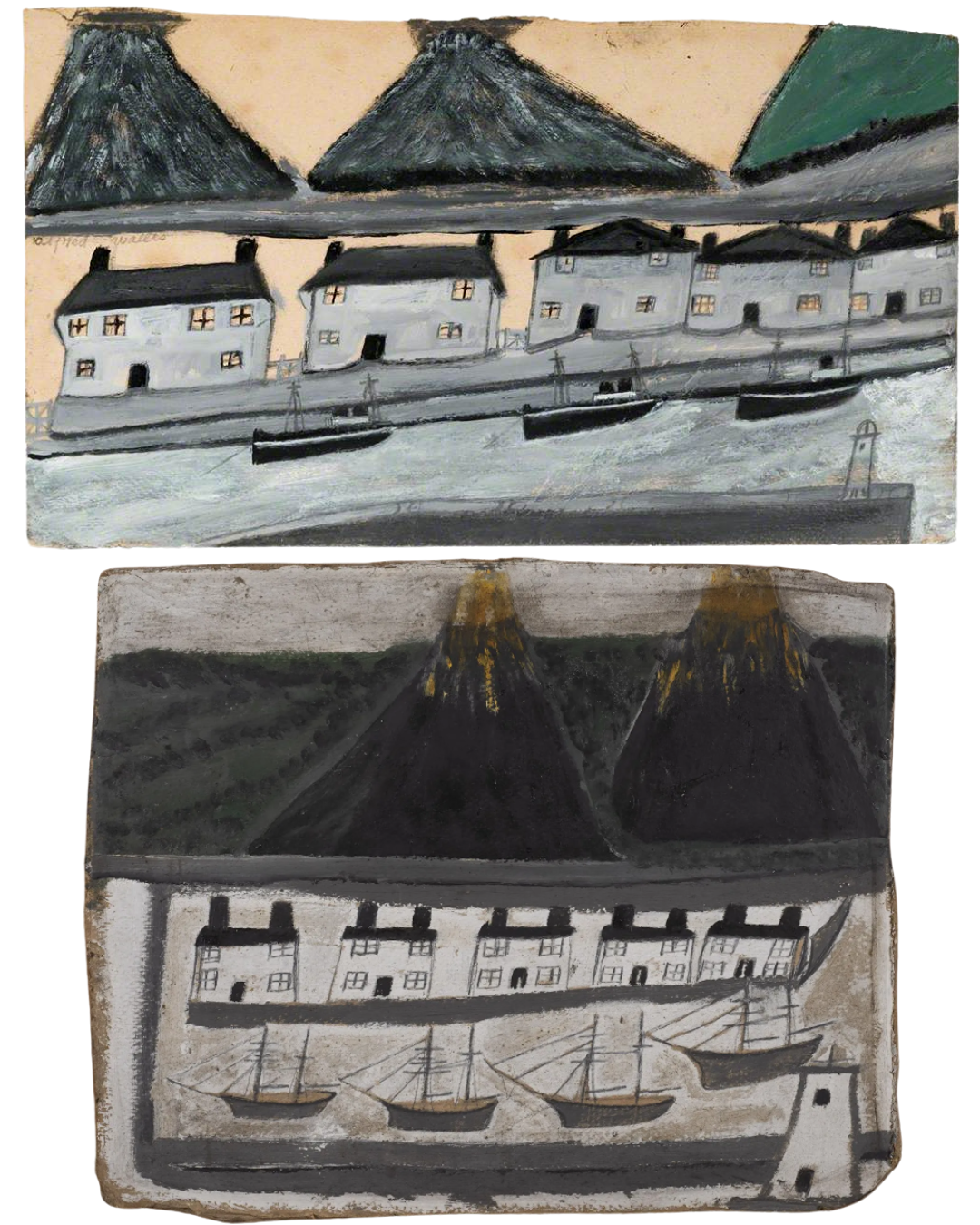
Identification of the harbour in these two paintings by Alfred Wallis has defied my powers of research!They clearly show the same location, and some say the mounds beyond the houses are kilns.All ideas...
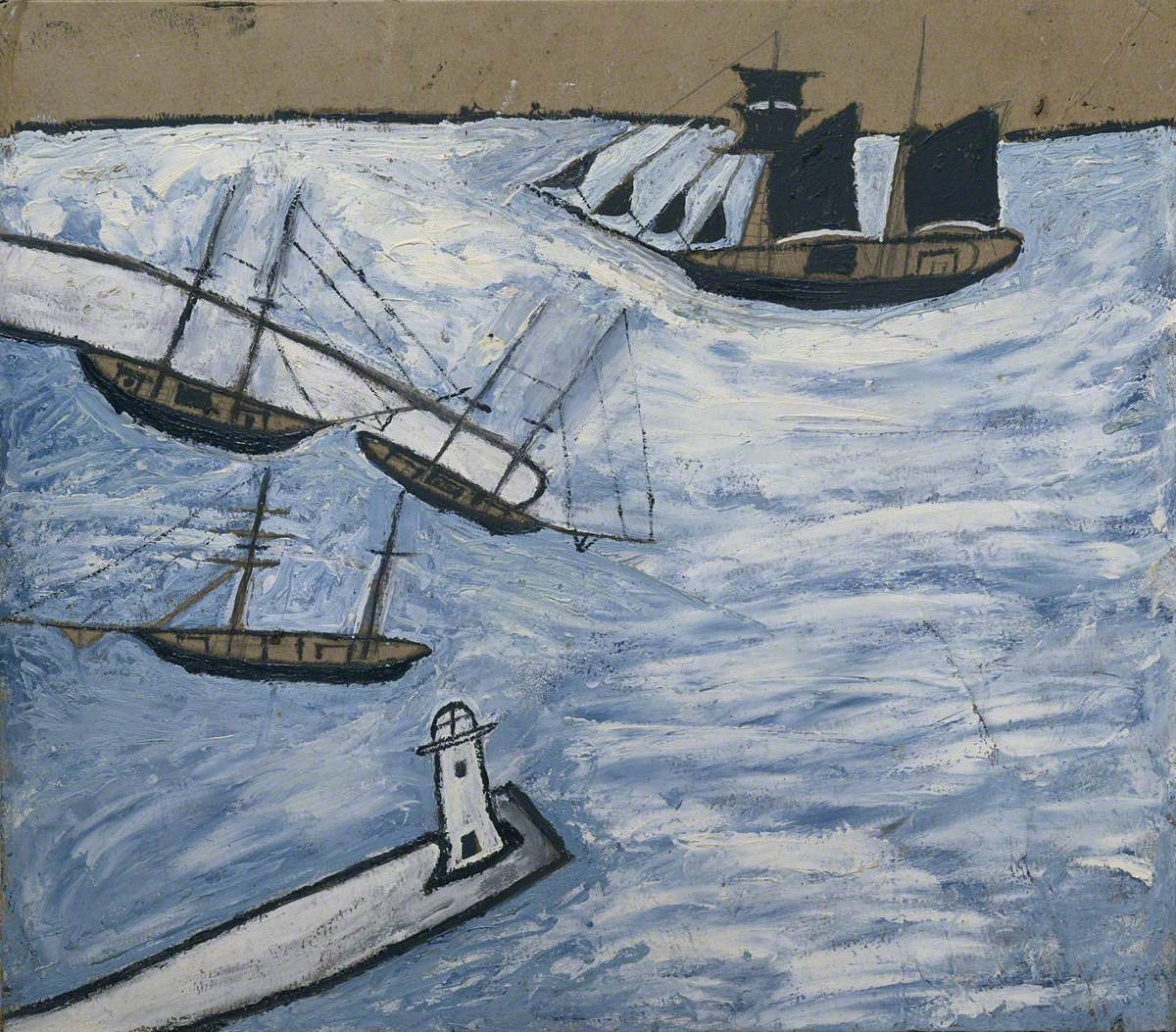
Here is a lovely early painting by Alfred Wallis to illustrate what he famously wrote of his paintings to Jim Ede, founder of Kettle's Yard, in February 1934:"They are what use to Be most all i do is what use to Be in ships and Boats what you phraps what you will never see...
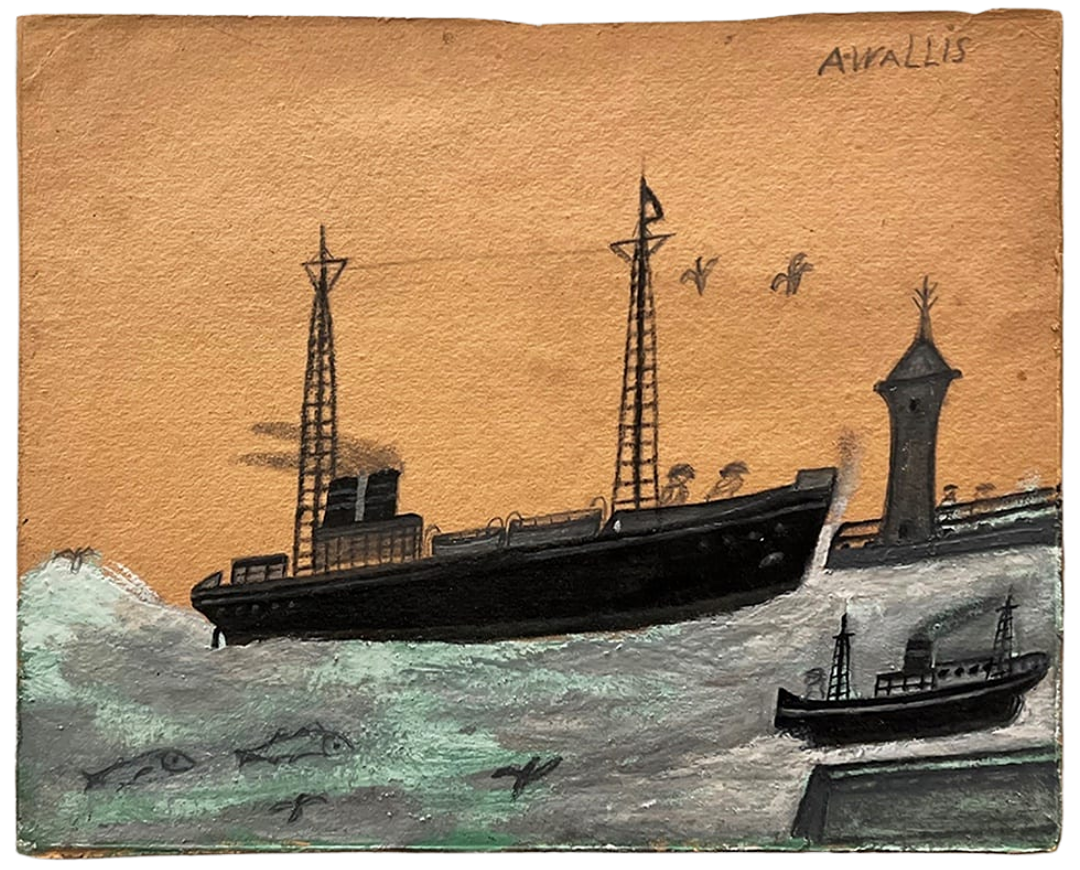
This small but striking painting by Alfred Wallis may hold the answer to something that’s been puzzling me since I began researching his biography.Wallis painted many two-funnelled steamers, always identified as fishing vessels, but those only had one funnel. This painting I came across recently...
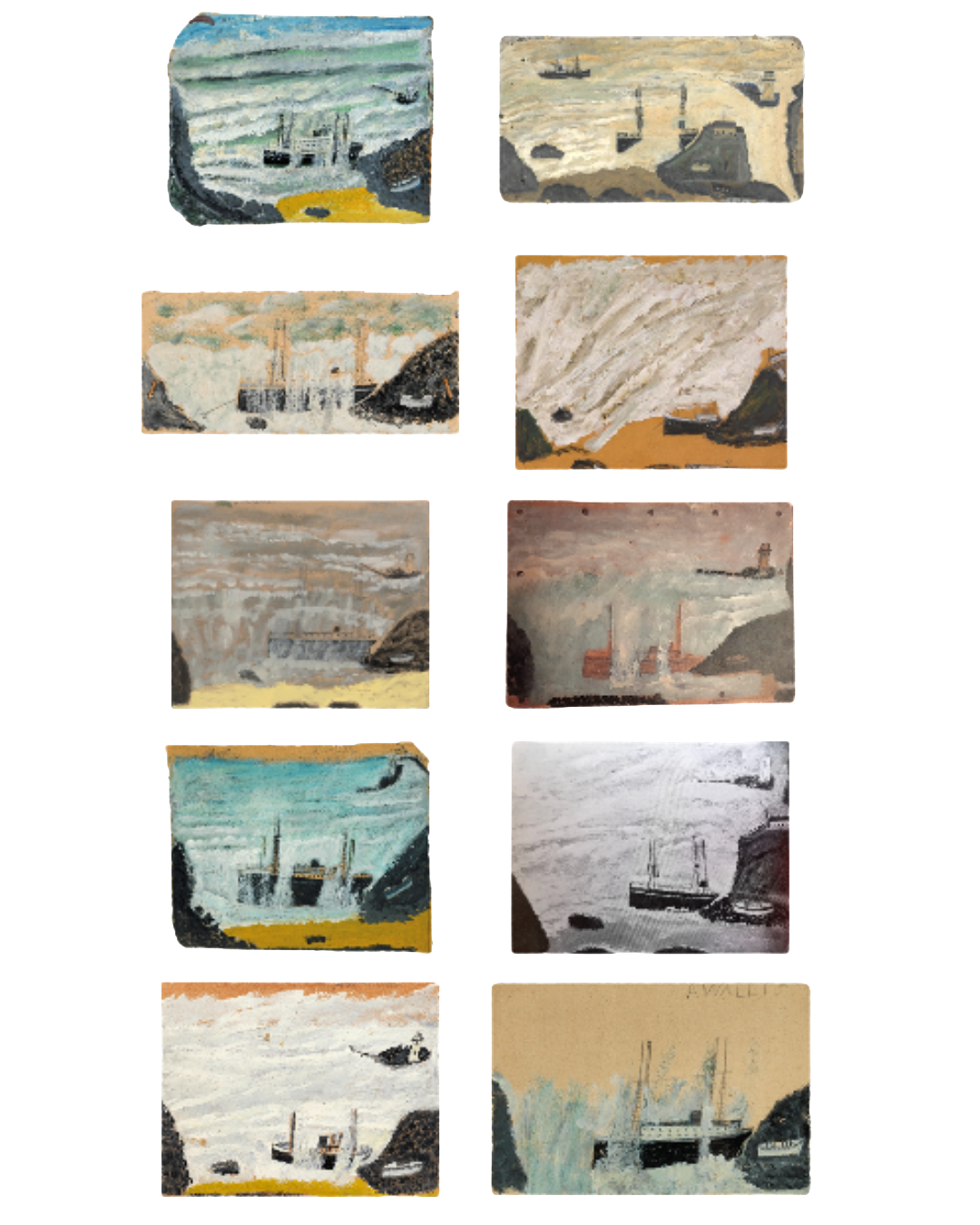
On this Day in January 1938, Alfred Wallis witnessed a dramatic shipwreck unfold behind his cottage in St Ives. The steamship Alba was driven ashore off Porthmeor Beach during a ferocious storm, and rescue attempts ended in tragedy when the St Ives lifeboat, Caroline Parsons, was itself wrecked on...
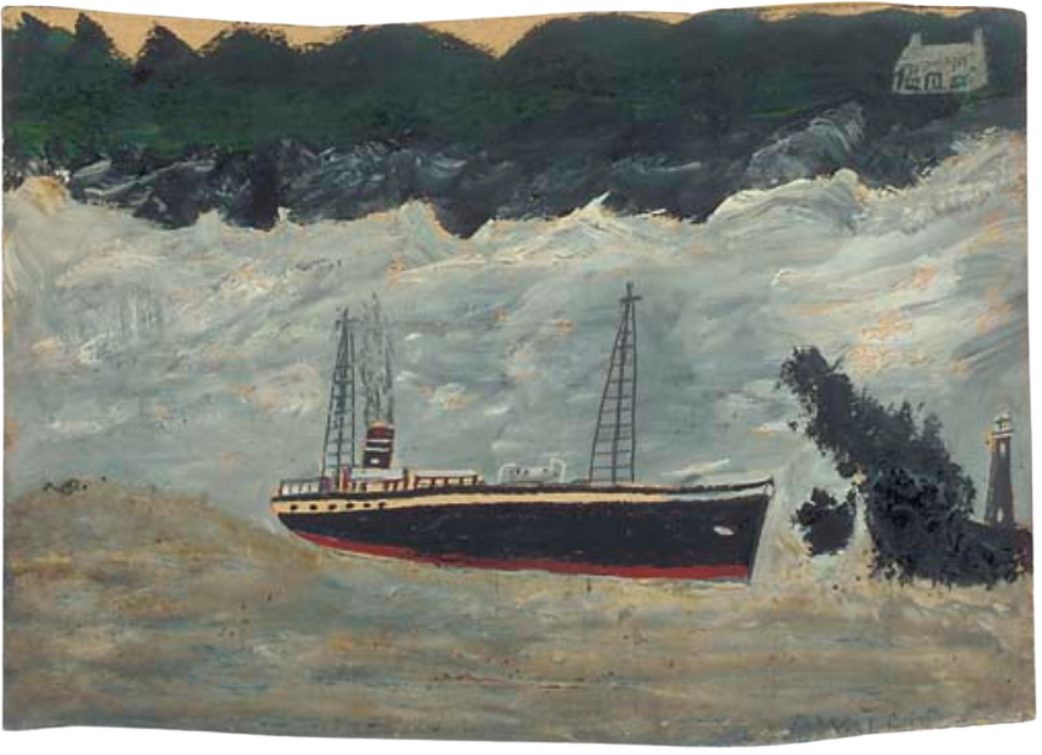
This painting by Alfred Wallis is a view he often depicted. It shows a steamship approaching Longships Lighthouse, which stands tall on the islet of Carn Bras off Land's End in Cornwall.The house beyond is the First & Last House, built around 1830. It was originally lived in by a local woman...
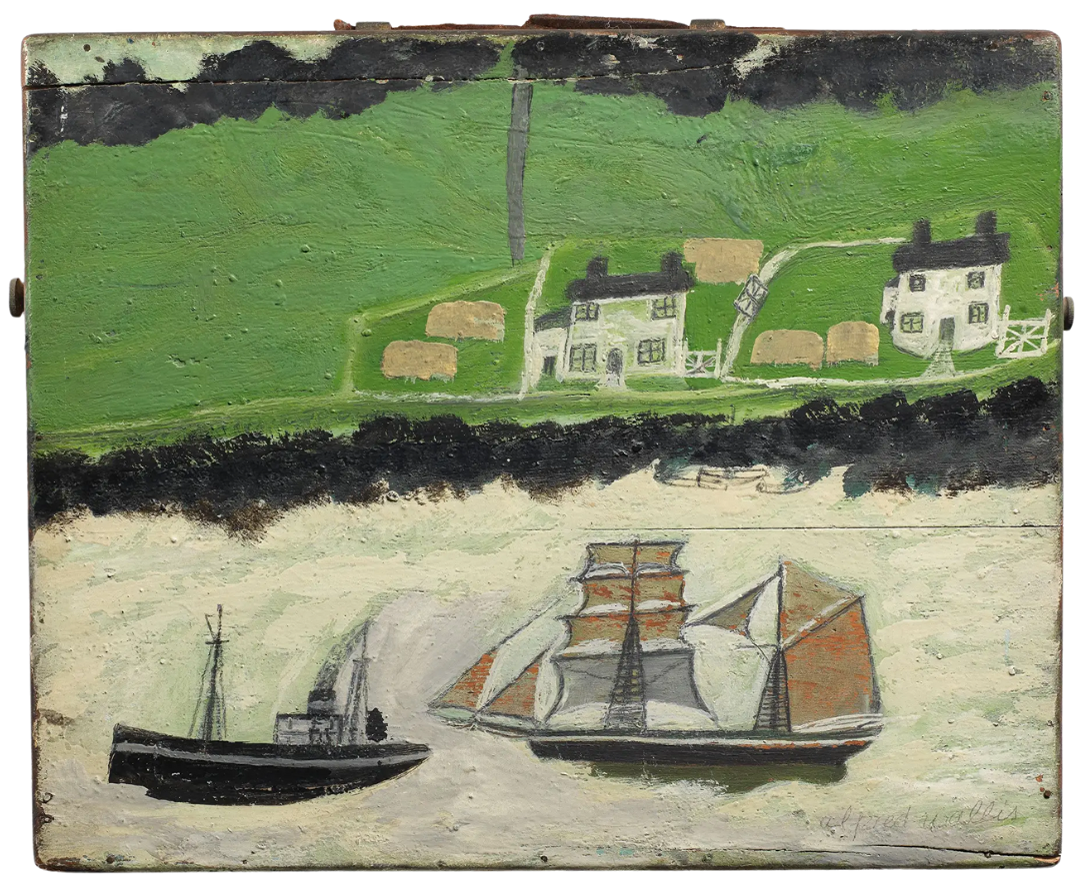
By posting here, I’m discovering more and more about Alfred Wallis’s paintings. Not only did he depict 35 distinct types of vessels, but I realised this morning how few of his paintings depict the sea looking relatively...